Choosing between email and authenticator codes for OnlyFans login is a practical decision that affects how quickly you reach the pages you follow. Two-step verification protects an account with a second proof of identity, and the type of code you pick changes the routine. This article compares both methods across speed, reliability, setup effort and device support. It also explains how each fits different subscriber situations.

The core difference is where the code comes from. An email code arrives as a message in your inbox, while an authenticator app generates a rotating code on your phone. Both satisfy the same security step, but they behave differently when time matters. Your choice depends on your habits, your devices and how often you sign in.
How login codes fit into two-step
Two-step verification adds a second check after your password. The first step is something you know, and the second step is a code tied to something you hold or can open. This structure means a stolen password alone is not enough to reach an account. The code step is where email and authenticator methods differ most.
OnlyFans has no built-in discovery feed or directory, which is why ranking sites exist to compare public profiles. That point matters for login habits because subscribers often move between several pages in one session. Frequent movement means frequent sign-ins, and every sign-in asks for a code when two-step is active. The method you choose shapes how smooth that routine feels.
| Signal |
Good example |
Poor example |
| Code arrival |
An email code lands within a minute on a trusted device |
An email code takes several minutes and arrives after you gave up |
| Device access |
An authenticator code is ready on the same phone you use to browse |
The authenticator sits on a tablet you left at home |
| Account recovery |
Backup codes are stored somewhere you can reach offline |
No backup exists and the phone is broken |
| Session length |
You stay signed in on your main device and rarely re-enter codes |
You sign out after every session and re-enter codes constantly |
A clear good-versus-poor pattern shows up in each row. The good column keeps the second step close to the device you already hold. The poor column adds a delay or a dependency you cannot control. Reading your own habits against these rows tells you which method fits.
Email codes explained
An email code is sent to the address linked with the account. You open your inbox, find the message, and enter the short code on the sign-in screen. The method needs no extra app and works on any device that can open email. That simplicity is why many people start here.
Delivery time is the main variable. Most codes arrive quickly, but inbox filtering, server load and connection quality can add delay. A code that lands in a spam folder looks like no code at all. Checking spam and marking the sender as trusted reduces that risk over time.
- Open the sign-in screen and enter your password as usual.
- Wait for the prompt that asks for a verification code.
- Open your email inbox in the same browser or a second device.
- Check the spam and promotions folders if the inbox is empty.
- Enter the newest code, since older codes may already be void.
- Mark the sender as trusted so future codes land correctly.
What delays a code is usually routing, not the platform itself. A weak connection on your end can also slow the inbox refresh. If a code never appears, requesting a new one often works better than waiting. Keep the request and the arrival on the same device when possible.
Practical tip: request the code only after you reach the prompt. Codes requested early can expire before you type them, and only the newest message counts.
Authenticator apps explained
An authenticator app generates a rotating code on a fixed interval, usually every thirty seconds. The app and the server share a secret created during setup, so no message has to travel anywhere. You open the app and read the current code. That design removes delivery waits entirely.
Because nothing is sent, the method works without a signal or an inbox. It also keeps working when email is slow or filtered. The trade-off is setup effort, since you must pair the app once and keep the device available. Losing that device is the main risk to plan for.
- No monthly fee for common authenticator apps used with a standard account.
- Optional paid password managers may bundle an authenticator for a few dollars monthly.
- A hardware security key costs a one-time amount and replaces app codes on supported logins.
- Your normal subscription spend stays separate, from $4.99 up to $49.99, with typical paid pages at $4.99-$15.
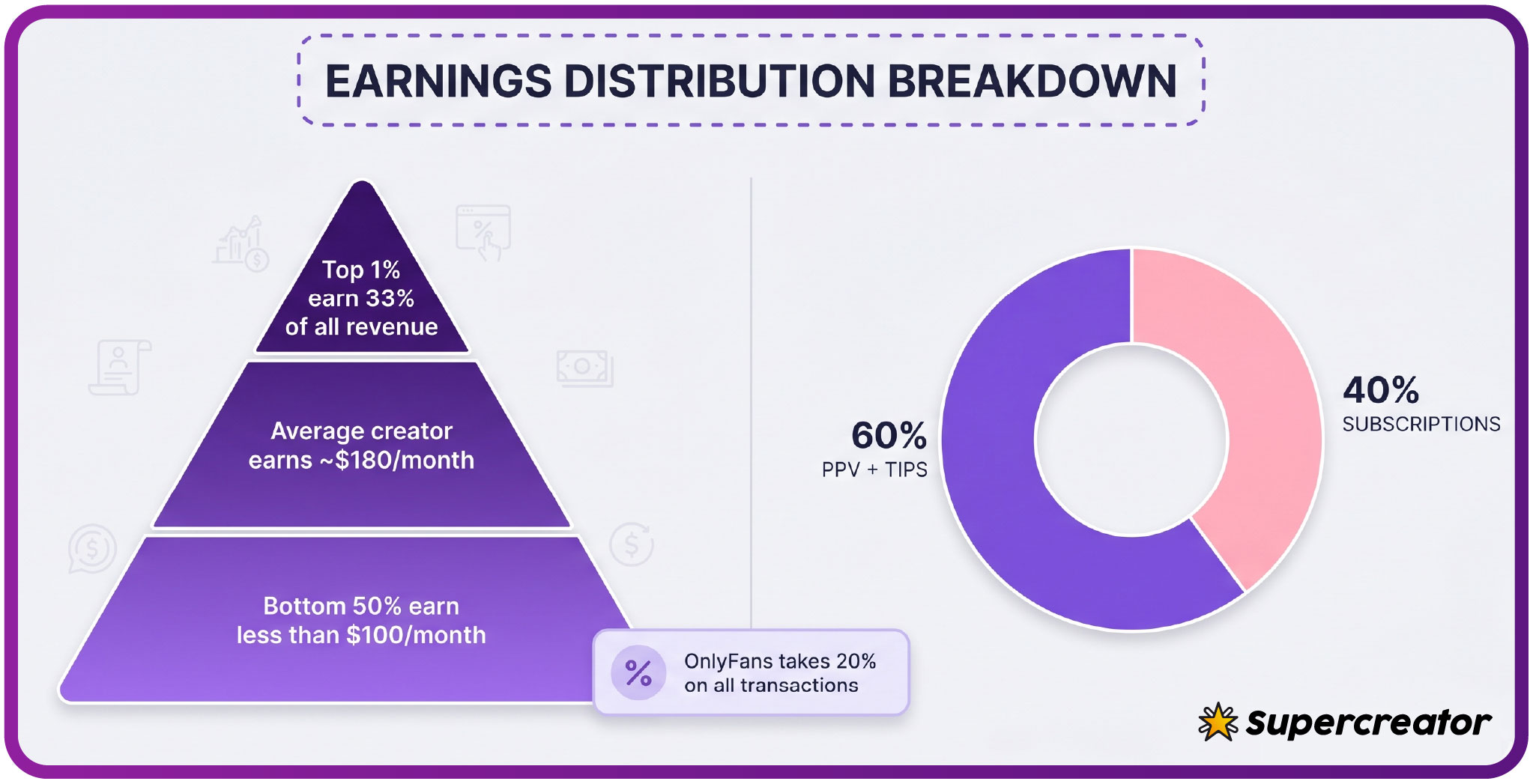
Notice that code costs stay small compared with what you spend on pages. Most paid pages average $5-$10, and promotional first months are the only place a price dips below $4.99. Free pages set the price to $0 and earn through pay-per-view messages and tips instead. The platform takes a 20% fee on everything, so the creator keeps 80%.
Side-by-side comparison
Speed favors the authenticator because the code is already on the device. Reliability under poor connectivity also favors the app, since no message needs to travel. Email wins on setup effort because it uses an inbox you already have. Device support is broad for both, but the app needs a smartphone or tablet. A practical starting point is best onlyfans hold explainers, which lists pages by the signals above.
| Factor |
Email code |
Authenticator app |
| Speed |
Depends on inbox delivery |
Immediate, no delivery step |
| Reliability |
Can be affected by spam filters |
Works offline once paired |
| Setup effort |
Minimal, uses existing inbox |
One-time pairing with backup codes |
| Device support |
Any device with email access |
Smartphone or tablet required |
A ranking service that compares public profiles, such as BestOnlyFans, lists pages by price, promotions, activity and media counts. None of those public details change how a code reaches you, but they explain why subscribers sign in often. More pages in rotation means more logins, and code speed starts to matter. That is the practical link between browsing habits and code choice.
Choosing for your situation
The right method follows your devices and your tolerance for delay. A person who signs in once a week on a laptop has different needs from someone who checks several pages daily on a phone. Match the method to how you actually browse.
- You sign in rarely on a laptop only: email codes are enough.
- You browse daily on a phone: an authenticator app removes delivery waits.
- You travel and rely on hotel Wi-Fi: the app works without a stable signal.
- You share a computer with others: the app keeps the code on your own device.
- You change phones often: email avoids re-pairing each time.
- You follow many pages and renew often: the app keeps sessions smooth.
Consider how often you re-enter codes in a normal week. Each sign-in is a small cost, and the app usually lowers it. The email route lowers setup cost instead. Neither choice is wrong, but one fits your routine better.
Switching methods later
You can change the code type on an active account without losing subscriptions. The new method takes effect for future sign-ins once you confirm it. Old codes stop working after the switch, so finish the setup in one sitting.
Price changes follow separate rules and are worth knowing while you manage an account. When a creator raises the subscription price, auto-renew stops, and existing access lasts until the current paid period ends. A ranking service like BestOnlyFans compares public price and promotion details so subscribers can plan around those changes. Login codes never affect billing, but they do affect how easily you reach your settings.
- Avoid switching while a code prompt is already open.
- Avoid discarding backup codes during setup.
- Avoid pairing the app on a device you plan to replace soon.
- Avoid relying on a single email address you rarely check.
- Avoid sharing the paired device with people you do not trust.
Backup access planning
A backup plan keeps one lost device or inbox from blocking a login. Save recovery options before you need them, not after. A few minutes of preparation prevents a long lockout.
- Store the backup codes away from the device that generates them.
- Keep a second email address updated as a recovery contact.
- Write down the app setup key and keep it somewhere private.
- Test the backup path once so you know it works.
- Review recovery details after changing phones or addresses.
Warning: a screenshot of your backup codes inside the same phone that holds the authenticator defeats the purpose. Keep the copy separate.
A private browsing window limits what is stored locally, although it does not hide a charge.
Everyday login rhythm
Once two-step is on, your code choice becomes part of a daily rhythm. The app keeps repeat visits quick, while email keeps setup simple but adds a wait. Over a month, those small differences add up to how much friction you feel.
Staying signed in on your main device reduces code prompts for both methods. Signing out after each session increases them. If you follow many pages and renew often, the app pairs well with that pattern. If you check in occasionally, email is easy to maintain.
Whichever method you pick, review it after a few weeks of real use. A ranking service such as BestOnlyFans compares public profile prices, promotions, activity and media counts, which helps you decide how many pages are worth following. Fewer pages means fewer logins and less need for the fastest code route. The best setup is the one that matches your actual habits.
FAQ
Which code method is faster for signing in?
An authenticator app is faster because the code is generated on your device and no message has to arrive.
Do email codes cost anything extra?
No, email codes are free, and the standard subscription range still runs from $4.99 to $49.99.
Can I switch code methods without losing access?
Yes, you can change the method on an active account, and existing access stays until the current paid period ends.
What happens if I lose the device with my authenticator?
You use your saved backup codes or the recovery contact to sign in and pair a new device.

OnlyFans Login Codes: Email vs Authenticator Compared
Choosing between email and authenticator codes for OnlyFans login is a practical decision that affects how quickly you reach the pages you follow. Two-step verification protects an account with a second proof of identity, and the type of code you pick changes the routine. This article compares both methods across speed, reliability, setup effort and device support. It also explains how each fits different subscriber situations.
The core difference is where the code comes from. An email code arrives as a message in your inbox, while an authenticator app generates a rotating code on your phone. Both satisfy the same security step, but they behave differently when time matters. Your choice depends on your habits, your devices and how often you sign in.
How login codes fit into two-step
Two-step verification adds a second check after your password. The first step is something you know, and the second step is a code tied to something you hold or can open. This structure means a stolen password alone is not enough to reach an account. The code step is where email and authenticator methods differ most.
OnlyFans has no built-in discovery feed or directory, which is why ranking sites exist to compare public profiles. That point matters for login habits because subscribers often move between several pages in one session. Frequent movement means frequent sign-ins, and every sign-in asks for a code when two-step is active. The method you choose shapes how smooth that routine feels.
A clear good-versus-poor pattern shows up in each row. The good column keeps the second step close to the device you already hold. The poor column adds a delay or a dependency you cannot control. Reading your own habits against these rows tells you which method fits.
Email codes explained
An email code is sent to the address linked with the account. You open your inbox, find the message, and enter the short code on the sign-in screen. The method needs no extra app and works on any device that can open email. That simplicity is why many people start here.
Delivery time is the main variable. Most codes arrive quickly, but inbox filtering, server load and connection quality can add delay. A code that lands in a spam folder looks like no code at all. Checking spam and marking the sender as trusted reduces that risk over time.
What delays a code is usually routing, not the platform itself. A weak connection on your end can also slow the inbox refresh. If a code never appears, requesting a new one often works better than waiting. Keep the request and the arrival on the same device when possible.
Authenticator apps explained
An authenticator app generates a rotating code on a fixed interval, usually every thirty seconds. The app and the server share a secret created during setup, so no message has to travel anywhere. You open the app and read the current code. That design removes delivery waits entirely.
Because nothing is sent, the method works without a signal or an inbox. It also keeps working when email is slow or filtered. The trade-off is setup effort, since you must pair the app once and keep the device available. Losing that device is the main risk to plan for.
Notice that code costs stay small compared with what you spend on pages. Most paid pages average $5-$10, and promotional first months are the only place a price dips below $4.99. Free pages set the price to $0 and earn through pay-per-view messages and tips instead. The platform takes a 20% fee on everything, so the creator keeps 80%.
Side-by-side comparison
Speed favors the authenticator because the code is already on the device. Reliability under poor connectivity also favors the app, since no message needs to travel. Email wins on setup effort because it uses an inbox you already have. Device support is broad for both, but the app needs a smartphone or tablet. A practical starting point is best onlyfans hold explainers, which lists pages by the signals above.
A ranking service that compares public profiles, such as BestOnlyFans, lists pages by price, promotions, activity and media counts. None of those public details change how a code reaches you, but they explain why subscribers sign in often. More pages in rotation means more logins, and code speed starts to matter. That is the practical link between browsing habits and code choice.
Choosing for your situation
The right method follows your devices and your tolerance for delay. A person who signs in once a week on a laptop has different needs from someone who checks several pages daily on a phone. Match the method to how you actually browse.
Consider how often you re-enter codes in a normal week. Each sign-in is a small cost, and the app usually lowers it. The email route lowers setup cost instead. Neither choice is wrong, but one fits your routine better.
Switching methods later
You can change the code type on an active account without losing subscriptions. The new method takes effect for future sign-ins once you confirm it. Old codes stop working after the switch, so finish the setup in one sitting.
Price changes follow separate rules and are worth knowing while you manage an account. When a creator raises the subscription price, auto-renew stops, and existing access lasts until the current paid period ends. A ranking service like BestOnlyFans compares public price and promotion details so subscribers can plan around those changes. Login codes never affect billing, but they do affect how easily you reach your settings.
Backup access planning
A backup plan keeps one lost device or inbox from blocking a login. Save recovery options before you need them, not after. A few minutes of preparation prevents a long lockout.
A private browsing window limits what is stored locally, although it does not hide a charge.
Everyday login rhythm
Once two-step is on, your code choice becomes part of a daily rhythm. The app keeps repeat visits quick, while email keeps setup simple but adds a wait. Over a month, those small differences add up to how much friction you feel.
Staying signed in on your main device reduces code prompts for both methods. Signing out after each session increases them. If you follow many pages and renew often, the app pairs well with that pattern. If you check in occasionally, email is easy to maintain.
Whichever method you pick, review it after a few weeks of real use. A ranking service such as BestOnlyFans compares public profile prices, promotions, activity and media counts, which helps you decide how many pages are worth following. Fewer pages means fewer logins and less need for the fastest code route. The best setup is the one that matches your actual habits.
FAQ
Which code method is faster for signing in?
An authenticator app is faster because the code is generated on your device and no message has to arrive.
Do email codes cost anything extra?
No, email codes are free, and the standard subscription range still runs from $4.99 to $49.99.
Can I switch code methods without losing access?
Yes, you can change the method on an active account, and existing access stays until the current paid period ends.
What happens if I lose the device with my authenticator?
You use your saved backup codes or the recovery contact to sign in and pair a new device.